A Beyblade X Bit combines a floor-contact tip with the upper gear that can engage the stadium’s Xtreme Line. Tip shape changes friction, stability and travel; gear geometry affects how readily the Bey can convert rotation into a fast Xtreme Dash.
Flat and Low Flat
A broad flat contact patch produces grip and movement. Flat-family Bits are common on Attack builds because they travel quickly and can reach the rail, but that motion consumes spin. Low variants lower the assembly and change contact height, which can improve some attacks while increasing scrape risk in others.
Rush and acceleration-focused Bits
Rush-family designs target aggressive movement with a degree of control. They can create repeated attack paths rather than one completely wild orbit. Gear and acceleration-oriented variants emphasize engagement with the Xtreme Line, trading calm endurance for explosive movement.
Ball and Orb
Rounded tips can move smoothly while retaining useful stamina. Ball-family Bits generally offer more roaming than narrow stationary tips; Orb-like contacts emphasize stability and controlled movement. Their behavior still changes with launch tilt, stadium slope and the mass above them.
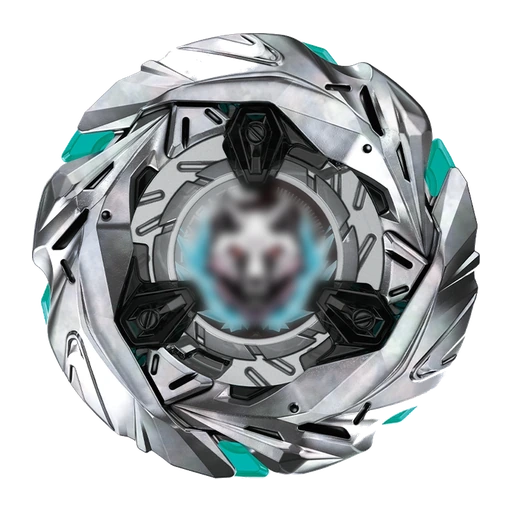
Needle and Spike
Narrow contact points tend to stay nearer the center and reduce travel. That supports Stamina or Defense plans, but a sharp point can be knocked off balance by a strong hit. High and low versions change assembly height and therefore the level at which Blades and Ratchets meet.
Point, Taper and mixed behavior
Point- and Taper-family Bits sit between stationary and mobile extremes. Depending on tilt, they may use a central point or a wider surrounding surface. This makes them useful for Balance strategies and for players who can reproduce different launch angles.
Specialty families
Disk, Free, Gear and transformation-style Bits add specific mechanisms or geometry. Read the product description and inspect the physical part instead of assuming the letter code tells the whole story. Condition matters too: dirt or damage at the contact point changes behavior.
How to compare Bits
- Keep Blade, Ratchet, launcher and launch style unchanged.
- Run several launches from both stadium sides.
- Record center time, rail contacts, self-exits and finishing spin.
- Repeat against both a passive and an aggressive opponent.